
2026-11-08
TB-500 (TB5 / TB10): What the Research Fragment Is and How It Ships
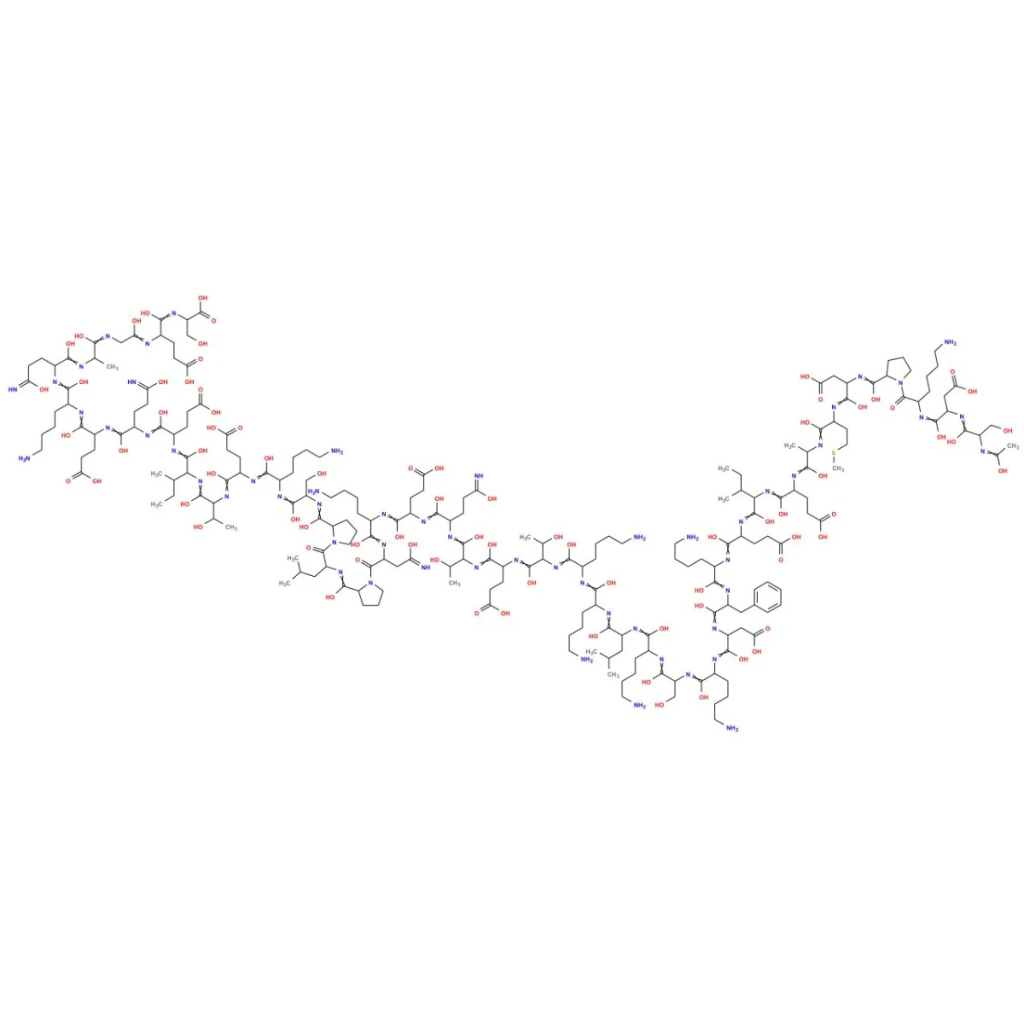
Few catalog items get requested as often as TB-500. In the AN-PEPTIDE catalog it exists in two presentations — item TB5 (TB500 5mg) and item TB10 (TB500 10mg), each supplied as a ten-vial pack of lyophilized powder. This guide covers what the compound actually is, why cell-migration laboratories keep reaching for it, how the two catalog strengths differ in practice, and what the paperwork in your shipment should tell you.
The parent molecule: Thymosin Beta-4
TB-500 is best understood by starting with its parent. Thymosin Beta-4 is a 43-amino-acid peptide that occurs naturally across a wide range of tissues, and much of the scientific interest in it centers on one specific behaviour: regulation of actin, the structural protein that cells use to build their internal scaffolding and to move. Because actin organization sits upstream of cell migration, wound-model researchers adopted the molecule early as a tool for studying how cells remodel their surroundings.
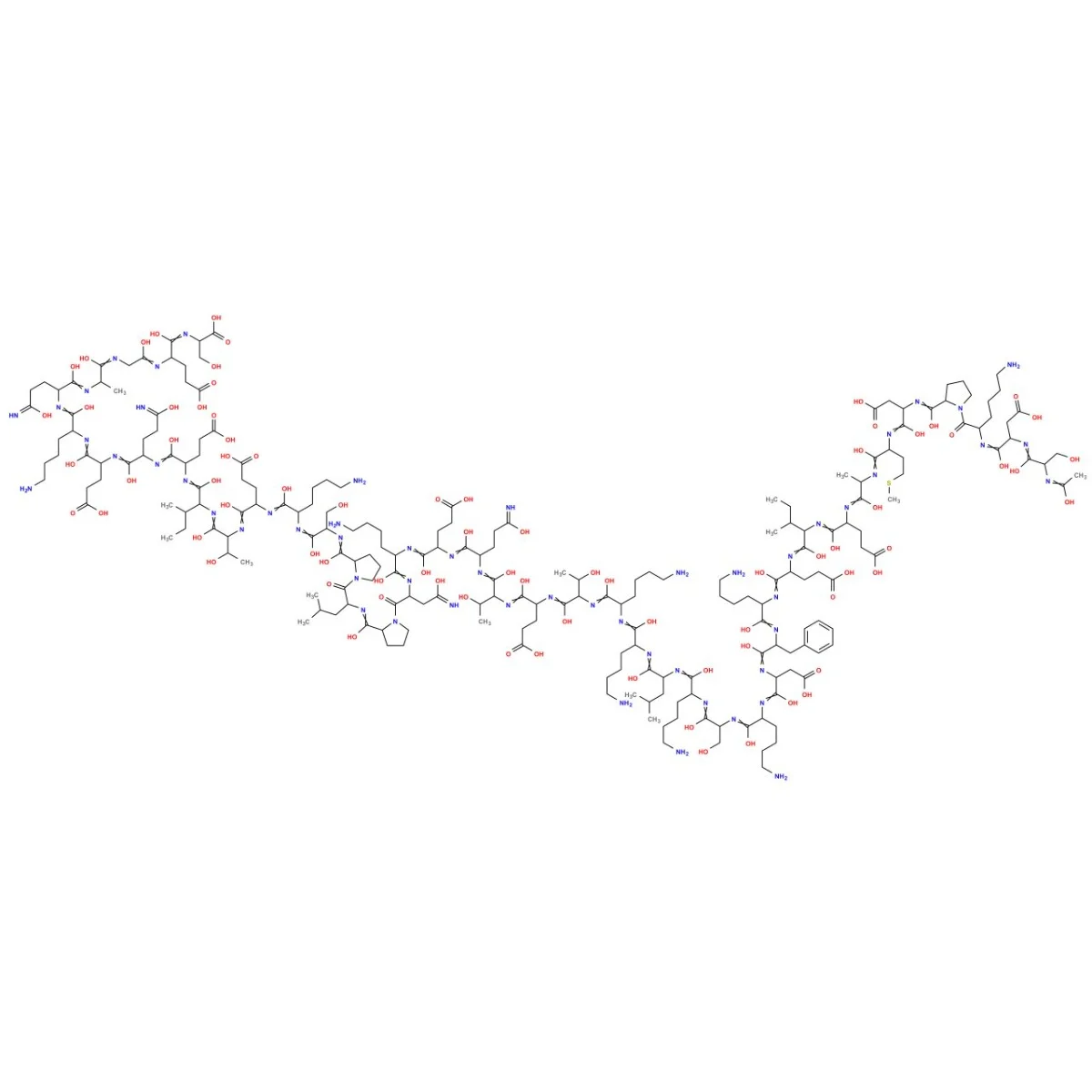
The catalog material is a synthetic analog built on that parent sequence, produced by solid-phase peptide synthesis in-house and released only after HPLC and mass-spectrometry verification. As a single defined chain (molecular formula C212H350N56O78S, CAS 77591-33-4), it behaves predictably in analysis: the expected MS result is unambiguous, and impurities show up cleanly in the HPLC trace.
Where the published literature concentrates
Published work on the compound clusters around a small number of recurring themes. Actin binding and cytoskeletal remodeling form the core: the molecule is a standard tool for experiments in which structural protein organization is the variable of interest. A second strand follows cell migration — how cells traverse matrices and respond to signaling gradients in controlled in-vitro systems. A third examines endothelial and vascular cell behaviour in non-clinical angiogenesis models.
A practical fourth theme is comparative work: because BPC-157 and TB-500 are frequently studied against each other in regenerative-model literature, laboratories often order both and run them in parallel. If that is your plan, the pre-mixed BB10 and BB20 blends manufacture the pair under one analytical release, and our earlier article on BPC-157 (BC10) covers the other side of the comparison in detail.
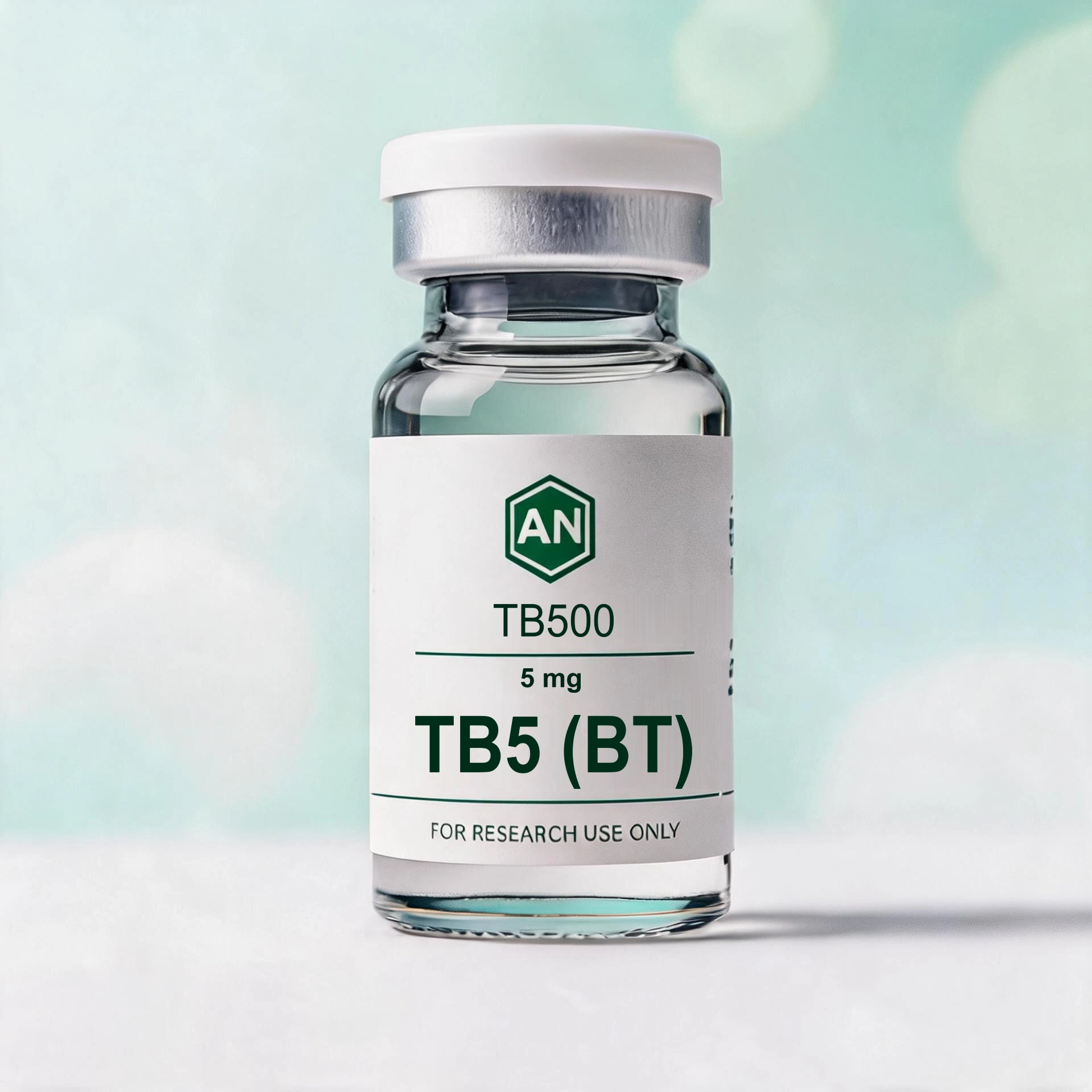
TB5 or TB10: choosing a strength
Both items are the same compound; they differ in how much material sits in each vial and in the batch-specific purity figure published on the product page:
| Specification | TB5 | TB10 |
|---|---|---|
| Compound | TB-500, synthetic Thymosin Beta-4 analog | TB-500, synthetic Thymosin Beta-4 analog |
| CAS | 77591-33-4 | 77591-33-4 |
| Molecular formula | C212H350N56O78S | C212H350N56O78S |
| Purity, published batch COA | 99.86% (HPLC) | 99.38% (HPLC) |
| Presentation | Lyophilized powder | Lyophilized powder |
| Pack | 5 mg per vial × 10 vials | 10 mg per vial × 10 vials |
| Release testing | HPLC purity + MS identity | HPLC purity + MS identity |
Teams running multi-phase programs generally prefer the ten-vial pack format: every vial in a pack comes from one synthesis batch, so a single COA describes the whole set and vial-to-vial variability is eliminated by design.
Handling: keeping the material intact
The lyophilized powder is chemically robust but has three enemies: heat, moisture, and repeated temperature cycling. Keep sealed vials at −20 °C, dry and protected from light. Plan aliquots before you reconstitute — once a vial sees solvent, freeze–thaw cycles begin degrading the material, so prepare single-use portions rather than repeatedly entering the same solution. Reconstituted material holds up under refrigeration for roughly a day or two; beyond that, quality becomes uncertain.
Sterile bacteriostatic water is the default solvent in most laboratory protocols; sterile saline and mildly acidic buffers are also compatible. Add liquid slowly down the vial wall and swirl gently — vigorous shaking stresses the chain.
What your batch documentation contains
Every TB5 and TB10 order ships with a batch-specific Certificate of Analysis: item code and batch number, analysis date, measured HPLC purity for the batch, the MS identity result, and storage guidance. The purity figures quoted above come from the batches published on the TB5 and TB10 product pages — the COA in your box is the authoritative record for your own vials. For a line-by-line walkthrough, see Third-Party COA Verification: What We Test and Why.
Beyond the single compound
TB-500 also appears in our multi-compound blends: BB10 (BPC-157 5 mg + TB-500 5 mg), BB20 (BPC-157 10 mg + TB-500 10 mg), and the GLOW70 / KLOW80 combinations that add GHK-Cu and KPV. Every blend is synthesized and released under the same HPLC/MS regime, with its own batch COA.
Ordering
TB5 and TB10 are in regular stock. Request a quote through the inquiry form on either product page or the contact page, or message the team on WhatsApp during business hours — including the item code, pack quantity and destination country gets you a quote fastest. In-stock orders leave our facility within 72 hours; international transit typically takes 7–15 working days, and MOQ stays flexible for evaluation-scale programs.
All AN-PEPTIDE products, including TB5 and TB10, are supplied for laboratory research use only. They are not drugs, foods, cosmetics or dietary supplements, and are not intended for human or veterinary use. Buyers are responsible for confirming that research use of these materials is permitted in their jurisdiction.